When should you go?
April through June and September through October often balance comfortable weather with fewer extremes than peak summer. July and August are hot, busy and expensive in many famous areas.
Food, history, coastlines and cities that reward a well-paced itinerary.
Find my Italy vacation →Why go
Food, history, coastlines and cities that reward a well-paced itinerary.
Megan's take: Italy gets better when you resist trying to see everything. We build the trip around a pace you can actually enjoy.
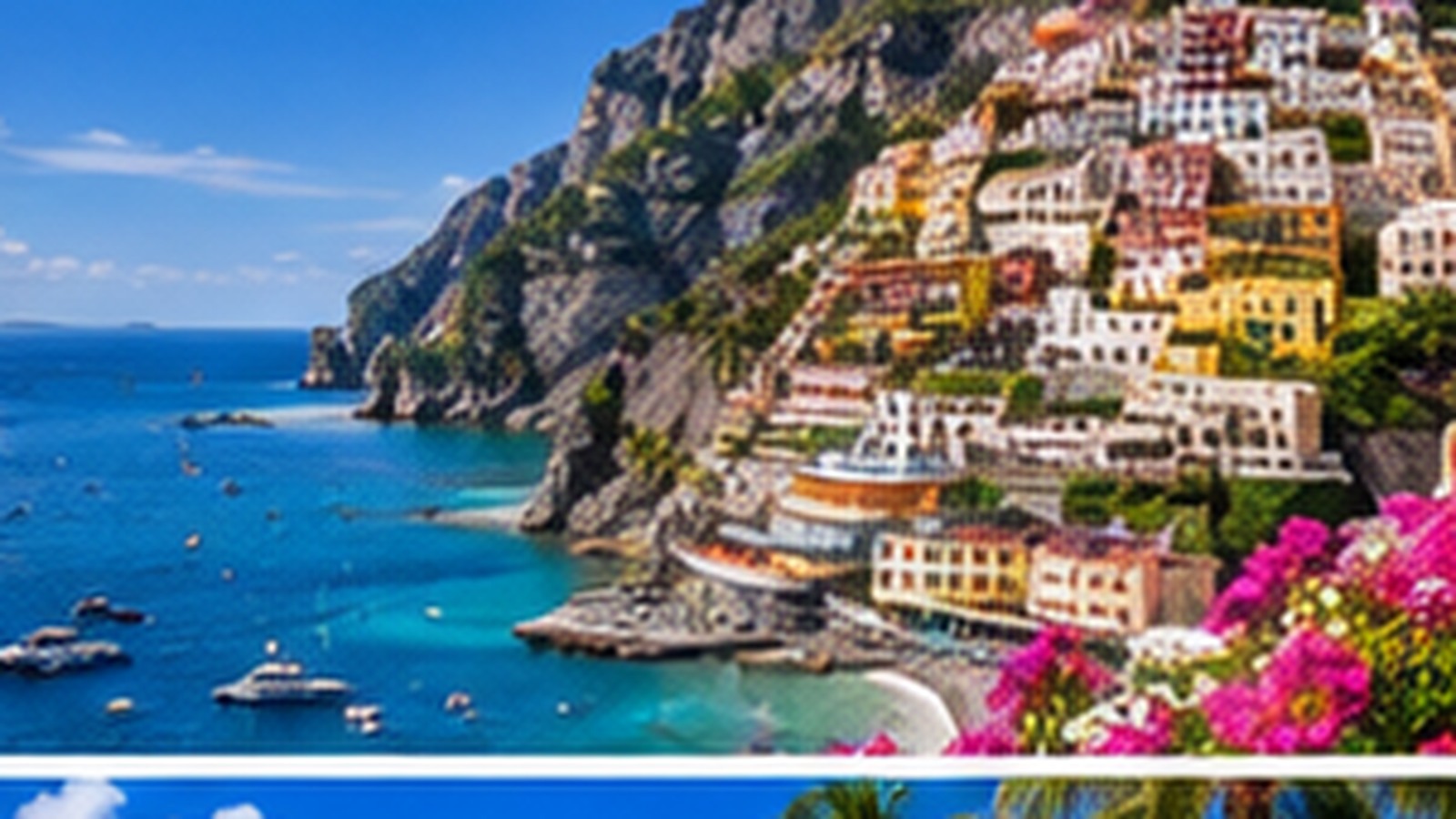
Italy’s coast is varied—from Amalfi cliffs to Sardinian sand—so beach trips need region-specific planning.
April–June and September–October are often the sweet spots for pleasant weather and fewer peak-summer crowds. July and August are busiest and hottest in many cities.
Couples, families and curious travellers who value food, culture and a trip with multiple memorable stops.
Where to stay
Build around the trip: Rome/Florence/Venice for first-timers, Amalfi or Puglia for coast, Tuscany for slower countryside travel.
Beyond the room
Historic sites, food tours, museums, wine regions, coastal days, markets and neighbourhood wandering.
A core reason to go. Regional cooking changes dramatically from north to south.
Know before you go
April–June and September–October are often the sweet spots for pleasant weather and fewer peak-summer crowds. July and August are busiest and hottest in many cities.
Ideal for food, history, art, rail travel, romantic trips and multi-city itineraries.
Rome + Florence + Venice is the classic first trip; Amalfi Coast, Tuscany, Lake Como, Sicily and Puglia each deserve different pacing.
Regional food changes dramatically: Roman pastas, Tuscan meats, Neapolitan pizza, Ligurian pesto, Sicilian seafood and more.
Plan it better
The useful details are usually the ones that change the decision. Here is what we would want to know before choosing the dates, area or resort.
April through June and September through October often balance comfortable weather with fewer extremes than peak summer. July and August are hot, busy and expensive in many famous areas.
Think in regions, not one “Italy” trip: Rome for history, Florence/Tuscany for art and countryside, Venice for atmosphere, Amalfi for coast, and the north for lakes and mountains.
Italy can absolutely be a beach trip, but its greatest strength is combining coast, cities, food and culture rather than chasing one resort-style beach.
Regionality matters: Roman pasta, Tuscan simplicity, Neapolitan pizza, Emilia-Romagna’s pasta and cheese, Sicilian seafood and sweets all tell different stories.
Couples, families and curious travellers who value food, history, culture and variety.
For a beach destination, seven nights is a common sweet spot; long-haul and multi-stop trips usually deserve more time. The right length depends on travel time and how much moving around you want to do.
For peak school breaks, holiday periods, milestone trips and specific room categories, earlier is usually safer. Flexible shoulder-season trips can sometimes reward patience, but availability is never guaranteed.
Passport validity, entry rules, insurance, airline requirements and health or safety guidance can change. We confirm current requirements for your actual dates before departure rather than relying on an evergreen web page.
Travel conditions, entry requirements, weather patterns and supplier details can change. Time-sensitive information is confirmed for your actual travel dates.
Experience guide
Italy is not one trip—it is a collection of very different trips. Rome, Florence, Venice, Tuscany, the Amalfi Coast and the lakes each deserve different pacing and planning.
Three cities in seven days often feels like transportation with sightseeing in between. Two bases can create a much better first trip.
Major museums, iconic attractions and sought-after restaurants can require advance planning, especially in peak season.
Roman pasta, Tuscan steak, Venetian cicchetti and coastal seafood are part of the reason to travel slowly.
Italy is one of Europe’s easiest countries to combine by rail, but coastal and rural regions still require more logistical planning.
A good Italy day leaves room for life between the sights: one major morning attraction, a long lunch, neighbourhood wandering, an afternoon pause and dinner somewhere chosen because the food is worth it—not because it is beside the landmark.
We use these guides to help you compare destinations, but the final recommendation should reflect your actual dates, budget, traveller ages, room needs and priorities. That is where Vacations Found becomes more useful than a generic list of “best resorts.”
Not sure yet?
Megan can compare the trade-offs based on your dates, budget and priorities.
Compare Europe options →Tell us your dates, budget and what matters most. We'll narrow the options worth considering.
Find my Italy vacation →